

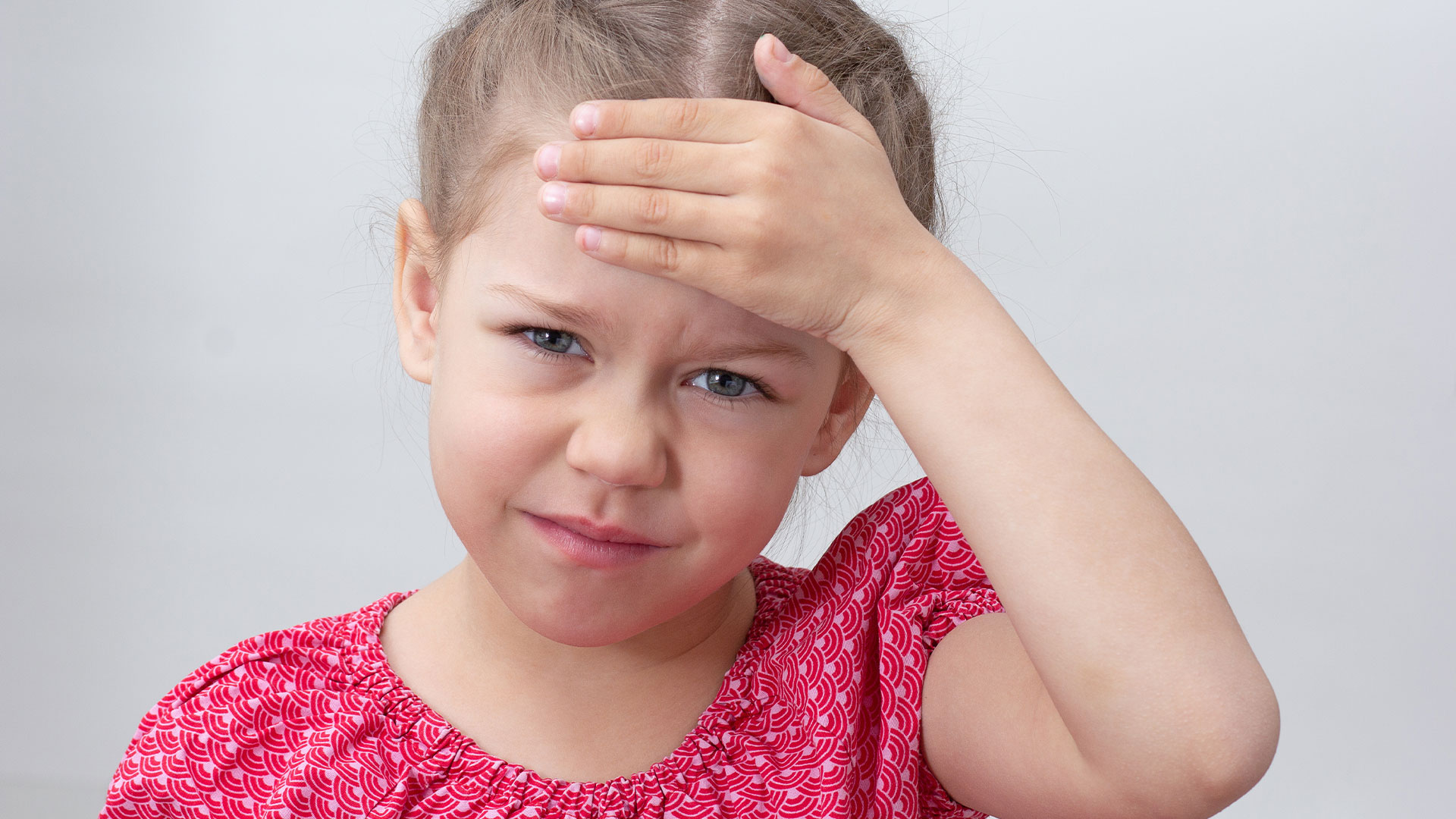
Anyone Can Contract Meningitis
Any age group can contract meningitis, but infants and teens are the most vulnerable. April 24th marks World Meningitis Awareness day, a time for staying informed about a painful and potentially deadly medical condition. Parents understandably want to make sure their children stay as protected as possible from meningitis. The first line of defense against this illness is to understand how it transmits, which symptoms to watch out for, and what options are available to help stop the spread.
What is Meningitis?
Meningitis is a brain disease caused by the swelling or inflammation of the protective membranes around the spinal column and the brain itself. Some instances of meningitis also infect the fluids around the spinal column and brain as well. There are multiple types of meningitis, including those caused by injuries, cancer, and exposure to certain species of amoeba. The two most common types of meningitis found in infants, children, and teens, however, are viral meningitis and bacterial meningitis.
Viral Meningitis
Viral meningitis is the most common and least dangerous form of meningitis, and may even clear up on its own without medical intervention. Children under the age of 5 and babies under 1 year are the most vulnerable to viral meningitis. Because viral meningitis is contagious, immunocompromised kids and teens are also at risk.
Viral meningitis comes from one of the following viruses entering the protective membranes of the brain and spinal column:
- Non-polio enteroviruses (the most common cause of viral meningitis)
- Influenza
- Mumps
- Herpesviruses
- Lymphocytic choriomeningitis virus
- Arboviruses
- Measles
We highly recommend that you seek attention from a medical professional if you believe your child may have viral meningitis, even though the survivability rate is high. A doctor will be able to tell if it’s a case that requires medical treatment or not.
Bacterial Meningitis
Like viral meningitis, bacterial meningitis is contagious, and can be spread from direct contact with infected individuals, contaminated food, from pregnant parent to child, and even through the air. Infants, children, and teens who contract bacterial meningitis face a greater risk of death than those with viral meningitis, and those who survive may face permanent disabilities later in life.
What are the Symptoms of Meningitis?
If your child starts displaying the symptoms of meningitis, seek immediate medical attention. Both bacterial and viral meningitis present similar symptoms, so it’s difficult to tell which strain they may suffer from without testing. Newborns and children over the age of two experience meningitis differently, however.
Concerned parents should keep an eye out for the following symptoms in newborns:
- Bulging in the head, particularly the soft spot
- Vomiting
- High fever
- Persistent crying
- Unusually high sleepiness
- Unusually high irritability
- Difficulty waking up
- Stiffness, particularly in the neck
- Inactivity or sluggish activity
- Not waking up to feed
- Not wanting to feed
- Crying harder when held
For children over the age of two, meningitis symptoms include:
- Stiffness, particularly in the neck
- Light sensitivity
- Sudden onset of a high fever
- Seizures
- Significantly painful headache
- Headache accompanied by nausea or vomiting
- Loss of appetite and/or thirst
- Confusion
- Rash
Meningitis can be a scary time for children and parents alike, but early detection and intervention increases the survivability rate in bacterial meningitis. We encourage parents to stay alert, stay informed, and help reduce their children’s risk of meningitis through vaccinations and other precautionary measures.
How do Parents Prevent Meningitis in Children?
Small safety measures go a long way due to meningitis’ high degree of contagiousness. Parents concerned that their children could fall ill with the disease don’t have to do anything out of the ordinary to prevent meningitis.
The following precautionary steps should help:
- Washing hands
- Wearing masks
- Not sharing food, drinks, or other products that go in and around the mouth, such as lip gloss and toothbrushes
- Covering the mouth and nose when sneezing or coughing
- Exercising
- Eating healthy
- Regular sleep schedule
- If pregnant, avoiding unpasteurized cheeses and undercooked meats and eggs
Healthy families make all of these habits a normal part of everyday life. The basics like handwashing, not sharing food, and exercising, sleeping, and eating nutritious foods to keep the immune system boosted don’t just prevent meningitis—they guard against other communicable conditions as well.
Is there a Meningitis Vaccine?
Meningitis vaccines are part of the routine vaccine schedule for children up to the age of two, with other options available to older kids and teens. Please note that there are multiple meningitis vaccines, and one vaccine will not protect against the same strains the others cover, so we advise parents to take their kids in for their inoculations at the appropriate times. It will not harm them to receive a combination of meningitis vaccines.
The following vaccines target bacterial meningitis strains, as these are the most dangerous:
- Haemophilus influenzae type b (Hib) vaccine: Available to children starting at two months of age.
- Meningococcal conjugate vaccine: Available to preteens starting at age 11, with a booster to follow about 5 years later. Teens who receive the booster at age 16 or older will not require a booster.
- Pneumococcal conjugate vaccine (PCV13): Available to children under the age of two. Additional doses may be required for children between the ages of 2 and 5 who are immunocompromised or otherwise at a higher risk of contracting bacterial meningitis.
- Pneumococcal polysaccharide vaccine (PPSV23): Available to children over the age of two who are immunocompromised and older children who may be at risk of contracting the pneumococcal polysaccharide bacterial meningitis strain specifically. Ask your pediatrician if and when they believe your child should receive this particular vaccine.
These meningitis vaccines are available to adults as well. Parents who themselves have not received these inoculations may want to consider speaking to their own doctors to see if they qualify. Getting vaccinated for meningitis provides even more protection against meningitis in children.
At this time, vaccines are not available for viral meningitis.
Your Baytown Meningitis Resource
Many of us at Patients ER are parents ourselves. We understand the need to protect your child from every disease and health impairment. That’s why we make ourselves available to anyone in the Baytown area who has questions about meningitis prevention or other major health topics impacting children. Please don’t hesitate to contact us by phone at 281-576-0555 or through our website. If you suspect your child may be suffering from meningitis right now, we are located at 10133 Interstate 10 East, Baytown, TX 77521, or dial 911 for emergency services.