
Board-Certified Emergency Physicians
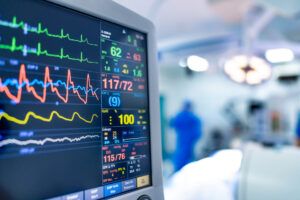
Cardiology services in the emergency room are essential for the rapid evaluation and treatment of patients experiencing serious heart-related symptoms. At Patients ER & Hospital, individuals arriving with chest discomfort, irregular heartbeats, breathing difficulties, dizziness, or fainting episodes receive immediate attention to determine the underlying cause of their condition. Emergency physicians utilize advanced diagnostic tools, including electrocardiograms (ECGs), cardiac biomarker testing, and continuous monitoring, to quickly assess cardiovascular health.
Working closely with cardiology specialists when needed, the emergency care team focuses on identifying and treating critical conditions such as heart attacks, cardiac arrhythmias, worsening heart failure, and pulmonary embolisms. Timely diagnosis and intervention are crucial in reducing complications, improving survival rates, and establishing an effective treatment plan for ongoing cardiac care. The expertise and responsiveness of the emergency department play a vital role in achieving the best possible outcomes for patients facing cardiovascular emergencies.
Open 24/7/365 For Your Heart
When a cardiac emergency occurs, Patients ER & Hospital is open around the clock, every day of the year, to provide immediate medical care. Our experienced team of board-certified emergency physicians and highly trained emergency nurses is prepared to quickly evaluate, diagnose, and treat a wide range of heart-related emergencies. With advanced diagnostic capabilities and rapid response protocols, we are committed to delivering timely, high-quality care when every second counts.
Chest Pain & Heart Attack
Chest pain should never be ignored, as it may be a warning sign of a serious cardiac event, including a heart attack. A heart attack occurs when blood flow to the heart muscle is reduced or completely blocked, often due to a clot in one of the coronary arteries. Without prompt treatment, the affected heart tissue can become permanently damaged.
Symptoms may include pressure, heaviness, squeezing, or discomfort in the chest that can spread to the arms, shoulders, neck, jaw, or back. Additional warning signs often include shortness of breath, nausea, sweating, dizziness, or sudden fatigue. While chest pain is not always caused by a heart attack, it is important to seek immediate medical evaluation whenever these symptoms occur. Early diagnosis and treatment can help minimize heart damage and improve recovery outcomes.
Congestive Heart Failure
Congestive heart failure (CHF) is a chronic condition in which the heart is unable to pump blood efficiently throughout the body. As the heart’s function declines, fluid may accumulate in the lungs, legs, feet, and other tissues. This fluid buildup can cause symptoms such as shortness of breath, swelling, fatigue, and reduced ability to perform daily activities.
Heart failure can develop as a result of conditions such as coronary artery disease, high blood pressure, heart valve disorders, or previous heart attacks. Prompt medical attention is important when symptoms worsen, as untreated heart failure can lead to serious complications and hospitalization.
High Blood Pressure (Hypertension)
Hypertension, or high blood pressure, can become a medical emergency when blood pressure levels rise to dangerously high numbers. This condition, known as a hypertensive crisis, requires immediate medical evaluation. Hypertensive crises are generally classified as either a hypertensive urgency, where blood pressure is severely elevated without organ damage, or a hypertensive emergency, where blood pressure typically exceeds 180/120 mmHg and is accompanied by signs of organ damage.
Symptoms such as chest pain, severe headache, shortness of breath, blurred vision, nausea, vomiting, or confusion may indicate a hypertensive emergency. Without prompt treatment, extremely high blood pressure can lead to life-threatening complications, including stroke, heart attack, kidney failure, or fluid accumulation in the lungs.
Stroke
A stroke is a time-sensitive medical emergency that occurs when blood flow to a portion of the brain is interrupted or reduced. Because brain cells begin to die within minutes of losing oxygen and nutrients, immediate treatment is critical.
Common warning signs include sudden weakness or numbness on one side of the body, difficulty speaking or understanding speech, loss of balance, trouble walking, vision changes, or a sudden severe headache with no known cause. Even if symptoms appear to improve or disappear, emergency medical care should be sought immediately. Fast intervention can greatly improve treatment effectiveness, reduce long-term disability, and increase the chances of recovery.
Learn More About Cardiology Care
If you have questions about cardiology services or would like more information about cardiovascular emergency care, contact Patients ER & Hospital today. Our team is available to answer your questions and help you access the care you need.