
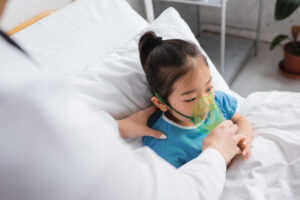
Understanding Pneumonia in Children: A Guide for Parents
As a parent, nothing is more important than your child’s health. During cold and flu season, one illness parents should be particularly mindful of is pneumonia. Young patients often get pneumonia during the colder months when respiratory illnesses are more common.
Understanding what pneumonia is, recognizing the signs early, knowing how to respond, and learning prevention strategies can help protect your child and ensure they quickly get the care they need.
What Is Pneumonia?
Pneumonia is an infection that inflames the air sacs in one or both lungs. The air sacs may fill with fluid or pus, leading to coughing, fever, chills, and difficulty breathing. Pneumonia can be caused by various organisms, including bacteria, viruses, and fungi. In children, viral pneumonia is more common, but bacterial pneumonia can be more severe and may require antibiotics.
While anyone can develop pneumonia, young children, infants, and those with weakened immune systems are at higher risk. Because children’s immune systems are still developing, they may have a harder time fighting off infections, making prompt medical attention critical.
Signs Your Child May Have Pneumonia
Recognizing pneumonia early on can make a big difference in recovery time and severity. Symptoms in children can vary depending on the child’s age, the cause of the pneumonia, and its severity. Some common signs of pneumonia to watch for include:
- Cough: Persistent or worsening cough, sometimes producing mucus
- Fever: High fever, often with chills or sweating
- Rapid Breathing: Breathing faster than normal, even when resting
- Labored Breathing: Using extra muscles to breathe, flaring nostrils, or grunting
- Chest Pain: Complaints of pain when breathing or coughing
- Fatigue: Unusual tiredness or weakness
- Loss of Appetite: Not eating or drinking as usual
- Bluish Lips or Fingertips: A sign that the body isn’t getting enough oxygen
- Irritability or Fussiness: Especially in infants and toddlers
Infants may not show typical respiratory symptoms. Instead, they might display signs such as poor feeding, low energy, or vomiting.
How Parents Should Respond to Signs of Pneumonia
If you notice symptoms of pneumonia in your child, it’s important to promptly seek medical care. Here’s what you should do:
- Visit a Healthcare Provider: A doctor can listen to your child’s lungs, assess their symptoms, and order imaging such as a chest X-ray if needed to confirm pneumonia.
- Follow the Treatment Plan: Depending on the cause, treatment may involve antibiotics (for bacterial pneumonia), antiviral medications (for certain viral infections), or supportive care such as fever reducers and hydration.
- Encourage Rest: Allow your child plenty of time to rest and recover.
- Keep Them Hydrated: Offer water, electrolyte solutions, and clear soups to help maintain hydration.
- Monitor Symptoms: Watch for signs of worsening breathing or oxygen levels and seek emergency care if needed.
At Patients ER in Baytown,TX, we are available 24/7 to evaluate and treat children with pneumonia, providing fast and compassionate care.
When to Go to the ER
Parents should seek emergency medical care if their child:
- Has difficulty breathing or very rapid breathing
- Appears unusually sleepy, difficult to wake, or confused
- Shows signs of dehydration (dry mouth, no tears when crying, decreased urination)
- Develops bluish color around the lips or fingertips
- Has a high fever that doesn’t come down with medication
Severe pneumonia can progress quickly, so don’t hesitate to bring your child in if you are concerned.
Preventing Pneumonia
While pneumonia can’t always be prevented, there are several steps parents can take to lower the risk:
- Vaccination: Ensure your child is up-to-date on vaccines, including the pneumococcal vaccine, flu vaccine, and COVID-19 vaccine (if age-eligible).
- Hand Hygiene: Teach children to wash their hands frequently to prevent the spread of germs.
- Avoid Exposure: Keep children away from individuals who are sick.
- Healthy Lifestyle: Encourage good nutrition, regular sleep, and physical activity to strengthen the immune system.
- Don’t Smoke Around Children: Exposure to secondhand smoke can increase the risk of respiratory infections, including pneumonia.
By taking these preventive measures, parents can significantly reduce the chances of their child developing pneumonia.
Additional Tips for Parents
- Follow Up: After treatment, follow up with your child’s doctor to ensure complete recovery.
- Complete Medications: Even if your child feels better, finish all prescribed antibiotics to prevent relapse.
- Know the Signs of Recurrence: Be alert for returning symptoms after recovery.
In Times of Emergency, Call On Patients ER
Pneumonia can be a serious illness, but with prompt attention and proper care, most children recover fully. If your child shows signs of pneumonia or if you are concerned about their breathing, don’t hesitate to visit us at Patients ER in Baytown.
We are dedicated to providing expert, family-centered emergency care whenever you need it. Remember: early action can make all the difference in protecting your child’s health.
Find us at 10133 Interstate 10 East Baytown, TX 77521, or give us a call at 281-619-2991.