

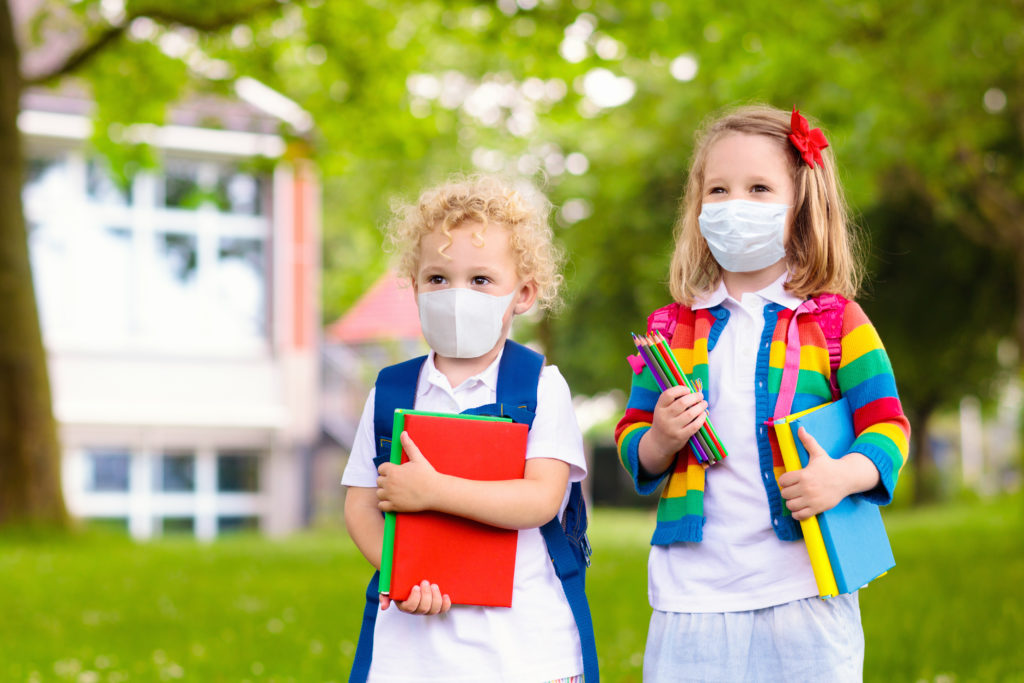
As classrooms open for in-person lessons, parents, teachers, staff, and students should know all the precautions to take to keep schools healthy and safe.
With the start of a new school year, Goose Creek ISD, Dayton ISD, Barbers Hill ISD, and Crosby ISD are taking numerous steps to prevent the spread of COVID-19, including mask requirements, scheduled hand washing, temperature checks, social distancing, and clear communication should anyone at the facilities receive a diagnosis of the disease. While the standards set by a global pandemic are by their very nature more extreme than those for cold and flu season, many of the habits encouraged still apply to other germs and viruses.
Children deserve to learn in the safest, healthiest environments, as do the adults who work with them or tuck them into bed at night. Teach them how to keep themselves guarded against communicable conditions—skills that will benefit them for the rest of their lives.
Germ Prevention at Home
Long before children even begin school, their parents serve as models for proper hygiene. Handwashing for 20 seconds with soap and water, brushing their teeth, and bathing/showering are three of the most important defenses against the spread of germs, usually the first introduced to kids. Using a tissue to blow their nose and coughing away from people are also some of the simplest measures to teach young ones.
Other responsible, healthful measures to practice as well as preach include wearing a mask during pandemics (even in establishments not requiring them), healthy eating, routine doctor’s appointments, and exercising regularly. Immune systems strengthened by good diets and regular exercise are able to take the brunt of communicable germs easier. Speak with your children’s pediatrician for specifics regarding their physiology, and which exercises and foods are ideal for their growing body and unique medical needs. We would like to reiterate that it’s good practice to take these measures for yourself as well. Your kids look up to you for guidance, and they may not make the right investments in their health and safety if they don’t see you doing them for your own.
As children grow older, involve them in chores to emphasize that germ prevention isn’t exclusively tied to how they clean their bodies. Introduce your kids to the following activities and explain their role in germ prevention:
- Dusting regularly and changing air filters, and how they protect respiratory health
- Doing laundry, and how it cleans germs off clothing and towels
- Cleaning and sanitizing the kitchen, and how this prevents food-borne illnesses Cooking food properly, and how this also prevents food-borne illnesses
- Cleaning and sanitizing bathrooms, door handles, banisters, and sinks, and how this prevents communicable diseases that can live on the surfaces
- Bathing pets regularly and cleaning and sanitizing pet living spaces, and how this prevents the spread of germs between species
Hygiene is a holistic practice, not limited to only one activity. Home habits provide the first line of defense against spreading germs now and in the future.
Germ Prevention at School
While you can’t attend school with your child to ensure healthy germ-fighting habits, you can send them prepared with the proper supplies. First and foremost, make sure they follow all of the masking and social distancing guidelines set forth by their respective school districts, including keeping your kids at home if you suspect one or more of them have been exposed to a communicable illness. For extra precautions, you can provide them with the following:
- Extra masks (keep them sealed in plastic bags for optimal sanitation)
- Sanitizing wipes for their desks and door handles
- Personal hand sanitizer bottles
- Personal water bottles, so they won’t need to use communal water fountains
- Personal tissue packets, so they won’t need to use communal boxes
You may also want to consider speaking with other parents and your child’s teacher for possible ways to help the entire classroom stay germ-free. Perhaps you could organize a drive for more personal hygiene products, such as hand sanitizer and tissue packets, or pool money together to purchase an air purifier and filters. Germ prevention is a community undertaking. Do your part to keep the children of Baytown healthy, happy, and prosperous this school year.
Germ Prevention Advice from the Pros
Many of us at Patients ER are parents in addition to medical professionals. We understand the concerns you hold about their health both at home and in the classroom, and we want you to be prepared with all the knowledge you need to prevent the spread of germs. With cold and flu season approaching and the COVID-19 pandemic still an international concern, we’re here to answer any questions you may have about back-to-school safety. Please feel free to contact us.